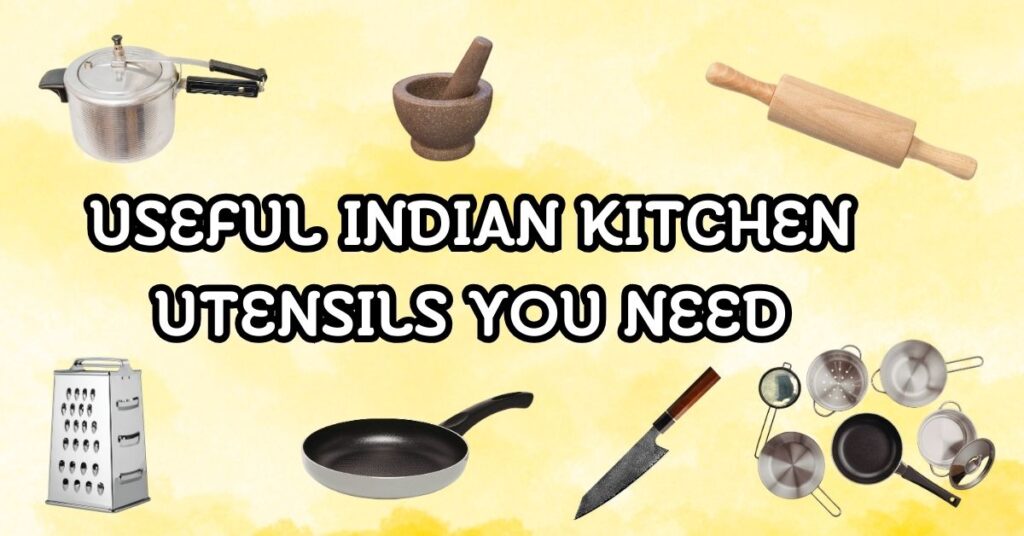
What truly makes an Indian kitchen complete and ready for daily cooking? Beyond fresh ingredients and family recipes, the right utensils shape every meal prepared at home.
From rolling soft rotis to tempering spices, each tool plays a practical role in traditional and modern cooking. A well-organized kitchen saves time, reduces effort, and supports consistent results.
Whether you are setting up a new home or upgrading your cookware, choosing essential utensils ensures smooth preparation for breakfast, lunch, and dinner.
This guide lists forty useful Indian kitchen utensils that support efficient cooking, proper storage, and comfortable serving, helping every household stay prepared for everyday meals and special occasions alike with confidence and ease.
1. Tawa

Tawa is a flat cooking pan used for preparing rotis, parathas, and pancakes. Its wide surface distributes heat evenly for uniform cooking. Made from iron, cast iron, or nonstick material, it suits various preferences. A sturdy handle ensures safe handling while flipping bread.
It is an essential utensil in Indian kitchens for daily flatbread preparation. Proper seasoning improves durability and cooking performance over time. A tawa supports quick breakfast and dinner routines efficiently.
2. Kadai
Kadai is a deep, thick-bottomed pan ideal for frying and sautéing. Its curved shape allows even heat distribution and easy stirring. It is commonly used for preparing curries, vegetables, and sweets. Strong handles on both sides provide stability during cooking.
Made from iron, stainless steel, or nonstick material, it suits various cooking styles. A kadai is suitable for deep frying and slow cooking alike. It remains a dependable utensil in Indian households.
3. Pressure Cooker
Pressure Cooker reduces cooking time for lentils, rice, and vegetables. It uses steam pressure to cook food quickly and efficiently. Secure locking lids and safety valves ensure safe operation. It preserves nutrients while softening tough ingredients.
Available in different sizes, it suits small and large families. A pressure cooker is a key utensil in Indian kitchens for daily meal preparation. It supports faster cooking without compromising texture or taste.
4. Handi
Handi is a traditional deep pot used for slow cooking. Its rounded bottom helps distribute heat evenly across food. It is commonly used for biryani, curries, and stews. Thick walls retain warmth for longer periods.
Handis are available in clay, copper, and stainless steel materials. The design supports gradual cooking for rich flavors. A handi remains useful for festive meals and everyday dishes that require steady heat and patience.
5. Patila
Patila is a wide, deep vessel used for boiling milk, cooking rice, and preparing gravies. Its straight sides allow easy stirring and prevent spills. Stainless steel construction ensures durability and hygiene.
It is available in various capacities for different needs. A patila is simple to clean and maintain. It supports daily cooking tasks that require larger quantities. This utensil is practical for families who cook regularly at home.
6. Tapeli
Tapeli is similar to a saucepan and is used for heating liquids and cooking small portions. It usually features a single handle for convenient handling. Stainless steel and aluminum versions are commonly available.
It works well for making tea, heating milk, or preparing soups. Compact size makes it easy to store. A tapeli supports quick cooking tasks in small and large kitchens. It is a versatile everyday utensil.
7. Dosa Tawa
Dosa Tawa is a flat, slightly concave pan designed for making dosas and uttapams. Its smooth surface allows batter to spread evenly for thin, crisp results. Cast iron versions retain heat effectively, while nonstick options simplify cleaning.
A sturdy handle ensures safe flipping and handling. It is wider than a regular tawa, providing ample cooking space. A dosa tawa supports consistent texture and uniform browning for South Indian breakfast preparations at home.
8. Appam Pan
Appam Pan features small, round cavities used for preparing appams and paniyaram. Its design ensures even cooking from all sides. Nonstick coatings help release food easily without sticking. It usually includes a lid to trap heat for proper cooking.
Compact size fits well on a stovetop. An appam pan allows the preparation of multiple pieces simultaneously. It is a useful utensil for traditional South Indian dishes requiring a specific shape and texture.
9. Steamer
A steamer cooks food using steam instead of direct heat. It is suitable for vegetables, dumplings, and rice-based dishes. Multiple tiers allow cooking different items at once. Stainless steel construction ensures durability and hygiene.
It preserves nutrients by avoiding excessive oil usage. Tight-fitting lids retain steam effectively. A steamer supports healthy cooking practices in Indian kitchens. It is practical for preparing light meals and festive dishes alike.
10. Frying Pan
Frying Pan is a versatile utensil used for shallow frying, sautéing, and scrambling. Its flat base distributes heat evenly for consistent cooking. Available in nonstick, stainless steel, and cast iron materials, it suits various needs.
A long handle ensures safe maneuvering during use. It is ideal for preparing eggs, vegetables, and snacks. A frying pan supports everyday cooking tasks with efficiency and reliability in any kitchen.
11. Saucepan
A saucepan is a deep, round utensil used for cooking sauces, boiling milk, and preparing soups. It usually comes with a lid to retain heat. A long handle allows controlled pouring and stirring.
Stainless steel models ensure durability and easy cleaning. It is available in different sizes for varied cooking needs. A saucepan supports quick meal preparation and reheating tasks in Indian kitchens with convenience and safety.
12. Tadka Pan
Tadka Pan is a small utensil used for tempering spices in oil or ghee. Its compact size allows quick heating of small quantities. A long handle ensures safe handling while pouring hot tempering over dishes.
Stainless steel or iron materials provide durability. It is commonly used for dal, curries, and chutneys. A tadka pan supports proper seasoning techniques that add depth and aroma to Indian recipes.
13. Idli Stand
Idli Stand holds multiple molds for steaming soft idlis efficiently. It fits inside a steamer or pressure cooker without the whistle. Stainless steel construction ensures durability and easy cleaning. Each plate contains round cavities for uniform shaping.
The stacked design allows the preparation of several idlis at once. It supports consistent steaming and proper rising of batter. An idli stand is essential for preparing traditional South Indian breakfasts at home with a reliable texture.
14. Bamboo Steamer
Bamboo Steamer replaces the duplicate steamer entry and adds variety to steaming tools. Made from natural bamboo, it allows gentle steam circulation for dumplings and vegetables.
Stacked baskets cook multiple portions simultaneously. It fits over a wok or deep pan. Lightweight design makes handling simple.
It supports oil-free cooking methods. A bamboo steamer is practical for preparing light dishes while maintaining moisture and natural flavors effectively.
15. Chakla
Chakla is a flat, round rolling board used for shaping rotis and puris. It provides a stable surface for even rolling. Made from wood, marble, or stone, it offers durability and balance. Smooth texture prevents dough from sticking excessively.
It is compact and easy to store after use. A chakla is necessary for preparing traditional flatbreads regularly. It supports consistent thickness and uniform shape during dough preparation.
16. Belan
Belan is a cylindrical rolling pin used alongside a chakla. It spreads dough evenly for rotis, parathas, and puris. Wooden and marble versions are commonly available.
Comfortable grip allows controlled rolling pressure. It ensures uniform thickness for proper cooking. Lightweight construction makes handling convenient.
A belan is an essential preparation tool in Indian kitchens. It supports daily bread-making tasks efficiently and consistently for households.
17. Sil Batta
Sil Batta is a traditional stone grinding slab and roller. It is used for grinding spices, herbs, and chutneys manually. Rough stone surface ensures effective crushing and blending. It supports authentic texture in freshly prepared pastes.
Durable material lasts for years with proper care. Manual grinding allows control over consistency. A sil batta remains valued in many homes for traditional food preparation methods.
18. Mortar and Pestle
A mortar and Pestle is used for crushing spices, garlic, and herbs. It allows precise control over grinding texture. Made from stone, wood, or metal, it offers durability. Compact size makes storage simple.
It is suitable for preparing small batches of spice mixes. Manual operation ensures fresh flavors. A mortar and pestle support everyday seasoning tasks and traditional preparation techniques in Indian kitchens.
19. Coconut Scraper
Coconut Scraper removes fresh coconut flesh quickly and safely. It features sharp serrated blades that shred coconut into fine pieces. Manual and tabletop versions are available for different needs. A sturdy base keeps it stable during use.
It supports the preparation of chutneys, curries, and desserts that require grated coconut. Easy-to-clean parts ensure hygiene. A coconut scraper is a practical tool in many Indian households, especially in coastal regions.
20. Grater
Grater is used for shredding vegetables, cheese, and coconut efficiently. It comes with multiple blade sizes for varied textures. Stainless steel construction ensures durability and easy cleaning. A firm grip handle improves safety during use.
Compact design allows convenient storage. It supports the quick preparation of ingredients for salads, curries, and snacks. A grater remains a useful preparation tool in daily cooking routines.
21. Vegetable Peeler
Vegetable Peeler removes thin layers of skin from fruits and vegetables. Sharp blades reduce wastage while ensuring smooth peeling. Lightweight design makes it comfortable to handle. Stainless steel versions resist rust and last longer.
It speeds up the preparation of potatoes, carrots, and cucumbers. Easy cleaning maintains hygiene standards. A vegetable peeler is an essential tool for efficient kitchen work and organized meal preparation.
22. Knife (Chaku)
A knife, commonly called a chaku, is a fundamental cutting tool in every kitchen. It slices vegetables, fruits, and meats precisely. Sharp blades ensure clean cuts and reduce effort. Ergonomic handles provide a secure grip during chopping.
Available in various sizes for different tasks. Proper maintenance keeps the blade effective for longer periods. A reliable knife supports safe and efficient food preparation daily.
23. Cutting Board
Cutting Board provides a stable surface for chopping and slicing. It protects countertops from damage. Wooden and plastic boards are commonly used. Non-slip bases improve safety during cutting tasks.
Separate boards help maintain hygiene between vegetables and meats. Easy-to-clean surfaces prevent contamination. A cutting board is a necessary accessory for organized and safe kitchen preparation work.
24. Whisk (Mathani)
Whisk, also known as mathani, is used for blending and mixing liquids smoothly. It is suitable for curd, buttermilk, and batter preparation. Wire and wooden versions are widely available.
Comfortable handles allow a steady grip during mixing. It ensures even texture without lumps. Compact size supports easy storage. A whisk remains useful for everyday mixing tasks in Indian kitchens.
25. Chimta
Chimta is a tong-like tool used for handling hot rotis and cookware. It provides a firm grip without direct contact with heat. Made from stainless steel or iron, it ensures durability.
Flat ends help lift and flip flatbreads easily. Lightweight construction allows comfortable handling. It supports safe cooking practices near open flames. A chimta is essential for managing hot utensils and breads in daily kitchen routines.
26. Jhara (Skimmer)
Jhara is a perforated ladle used for deep frying and draining excess oil. Its holes allow oil to pass through while holding food securely. Long handles protect hands from hot oil splashes.
Stainless steel material ensures strength and easy cleaning. It is ideal for pakoras, puris, and fritters. A jhara supports safe frying and efficient food handling in Indian kitchens.
27. Palta (Spatula)
Palta, or spatula, is used for flipping and stirring food while cooking. Flat edges slide easily under rotis and pancakes. Heat-resistant materials prevent damage during use.
Long handles provide a comfortable grip and control. It supports even cooking by allowing smooth turning of food. A palta is a practical utensil for daily stovetop cooking tasks.
28. Karandi (Ladle)
Karandi is a deep ladle used for serving curries, dal, and soups. Its rounded bowl holds generous portions of liquid. Long handles prevent contact with hot dishes.
Stainless steel versions offer durability and hygiene. It simplifies transferring food from pots to serving bowls. A karandi remains essential for both cooking and serving purposes in Indian households.
29. Papad Roaster
Papad Roaster is designed for roasting papads directly over a flame. Mesh or wire construction allows even exposure to heat. Long handles keep hands safe from burns.
It ensures uniform roasting without excessive charring. Compact size makes storage convenient. A papad roaster supports preparation of traditional accompaniments quickly and safely at home.
30. Gas Lighter
Gas Lighter ignites stovetops safely without direct flame contact. Long nozzles maintain distance from burners during lighting. Refillable designs ensure extended use.
Simple push-button operation makes it easy for daily cooking routines. Durable construction provides reliable performance. A gas lighter supports safe ignition of gas stoves in Indian kitchens.
31. Masala Dabba
Masala Dabba is a round spice container with several small compartments inside. It keeps essential spices organized and within easy reach during cooking. Stainless steel construction maintains freshness and resists moisture.
A secure lid protects spices from contamination. Compact size fits neatly in kitchen cabinets or drawers. It reduces the time spent searching for individual jars. A masala dabba supports efficient seasoning and smooth meal preparation in everyday Indian cooking routines.
32. Oil Dispenser
Oil Dispenser stores cooking oil neatly and allows controlled pouring. Slim spouts help prevent spills and reduce excess usage. Glass and stainless steel designs are commonly used for durability. Transparent bodies make it easy to monitor oil levels.
It keeps countertops clean and organized. Comfortable grip ensures safe handling while cooking. An oil dispenser is a practical storage utensil that supports measured use during frying and tempering tasks.
33. Pickle Jar (Bharni)
Pickle Jar, known as bharni, is used for storing homemade pickles safely. Ceramic and glass materials help preserve taste and freshness. Airtight lids prevent moisture and contamination.
Wide openings make serving convenient. It supports long-term storage of seasonal pickles. Durable construction ensures extended use. A pickle jar remains important in households that prepare and store traditional condiments for daily meals.
34. Roti Box
Roti Box keeps freshly prepared rotis warm and soft until serving time. Insulated interiors help retain heat for longer periods. Stainless steel models offer durability and easy maintenance. Compact shape allows placement on dining tables conveniently.
It prevents rotis from drying out quickly. Secure lids protect contents from exposure. A roti box supports organized serving during family meals and ensures better texture retention.
35. Sieve (Channi)
Sieve, also called channi, is used for straining flour and liquids effectively. Fine mesh removes lumps and unwanted particles. Stainless steel material ensures strength and hygiene. Comfortable handles provide stability while shaking or pouring.
It supports baking and cooking preparation tasks. Easy cleaning maintains proper sanitation. A sieve is a necessary tool for achieving smooth batters and refined dry ingredients in daily cooking.
36. Tea Strainer
Tea Strainer filters loose tea leaves while pouring tea into cups. Fine mesh prevents residue from entering beverages. Stainless steel construction resists rust and lasts longer.
Small size allows easy storage in kitchen drawers. It supports clean and smooth tea preparation. Lightweight design ensures comfortable handling. A tea strainer remains a practical utensil in homes where tea is prepared regularly throughout the day.
37. Rice Strainer
A rice strainer is used for washing and draining rice efficiently before cooking. Perforated surfaces allow water to pass through while holding grains securely. Stainless steel construction ensures durability and hygiene. It prevents loss of rice during rinsing.
Lightweight design makes handling comfortable. It supports proper cleaning of grains to remove excess starch and impurities. A rice strainer is a practical utensil for daily meal preparation in Indian kitchens.
38. Colander
A colander is a larger draining bowl used for pasta, vegetables, and washed grains. Wide perforations allow quick water drainage. Strong side handles provide a stable grip during use. Stainless steel and plastic versions are commonly available.
It supports hygienic washing of produce before cooking. Spacious design accommodates larger quantities easily. A colander remains a versatile straining tool in both traditional and modern kitchens.
39. Puri Press
Puri Press shapes small dough balls into evenly sized puris quickly. Flat pressing plates ensure uniform thickness. Sturdy handles provide controlled pressure during use.
Metal construction offers durability and strength. It reduces manual rolling effort significantly. Compact design allows easy storage after use. A puri press supports efficient preparation of festive and everyday fried breads at home.
40. Electric Mixer Grinder
The electric mixer grinder grinds spices and blends ingredients with speed and precision. Powerful motors handle both dry and wet mixtures effectively. Multiple jars allow versatile usage for chutneys, batters, and masalas.
Secure lids prevent spills during operation. Compact design fits comfortably on kitchen counters. It reduces manual grinding effort and saves time. An electric mixer grinder remains essential for modern Indian cooking routines.
Conclusion
A well-equipped Indian kitchen depends on practical utensils that support daily cooking, preparation, storage, and serving. Each tool listed above plays a specific role in maintaining efficiency and organization. Choosing reliable utensils ensures smoother routines and consistent results. With these forty essential items, every household can prepare traditional and modern dishes comfortably while keeping the kitchen functional and organized throughout the year.